
Accent lighting is more than just a way to illuminate a room—it is a powerful design tool that enhances a space’s visual appeal, adds depth, and creates a unique atmosphere. Unlike ambient or task lighting, accent lighting directs focus toward specific areas or features, highlighting details and creating dramatic effects. This type of lighting is commonly used to bring attention to artwork, architectural details, or design focal points. Whether you are a homeowner, interior designer, or someone looking to upgrade a space, understanding accent lighting and its impact can help you make informed choices. In this guide, Bayside Trimlight will explore what accent lighting is, why it matters, and how to use it effectively.
What is Accent Lighting?
Accent lighting is a focused form of illumination designed to highlight specific areas, objects, or architectural features within a space. Unlike general lighting that evenly brightens an entire room, accent lighting emphasizes particular areas to create visual interest and depth. This can include lighting up artwork, decorative walls, or unique furniture pieces, allowing them to become focal points. Common types of accent lights include track lighting, recessed lights, and spotlights, all strategically positioned to add dimension and mood. By drawing attention to key elements, accent lighting enhances the overall design of a space and encourages visual flow, making it an essential element in both residential and commercial interiors.
Types of Accent Lighting and Their Uses
Several types of accent lighting offer different effects, each serving unique purposes in interior design. Track lighting is versatile, allowing you to aim light toward specific objects, ideal for gallery spaces or hallways. Recessed lighting is more subtle, blending into ceilings to create a focused yet inconspicuous glow on walls or artwork. Wall-mounted sconces add elegance and charm, often framing fireplaces or architectural features. Spotlights are adjustable and effective for showcasing specific items, such as statues or plants. Finally, LED strip lighting adds a modern touch, highlighting shelves, under-cabinet spaces, or ceilings. Choosing the right accent lighting can elevate your room, adding style and enhancing key design elements.
How Accent Lighting Complements Other Lighting Layers
Accent lighting is widely used in homes to highlight specific spaces and features, adding charm and functionality.While ambient lighting serves as the room’s primary source of light, providing general brightness, and task lighting focuses on practical, work-oriented areas, accent lighting adds personality and depth. By using accent lighting strategically, you can emphasize focal points without overpowering other layers. For instance, a softly lit wall feature complements a room’s main lighting without causing harsh contrasts. The combination of ambient, task, and accent lighting achieves visual balance and ensures spaces are both functional and visually appealing, making it an indispensable tool in interior design.
Popular Areas for Accent Lighting in Homes
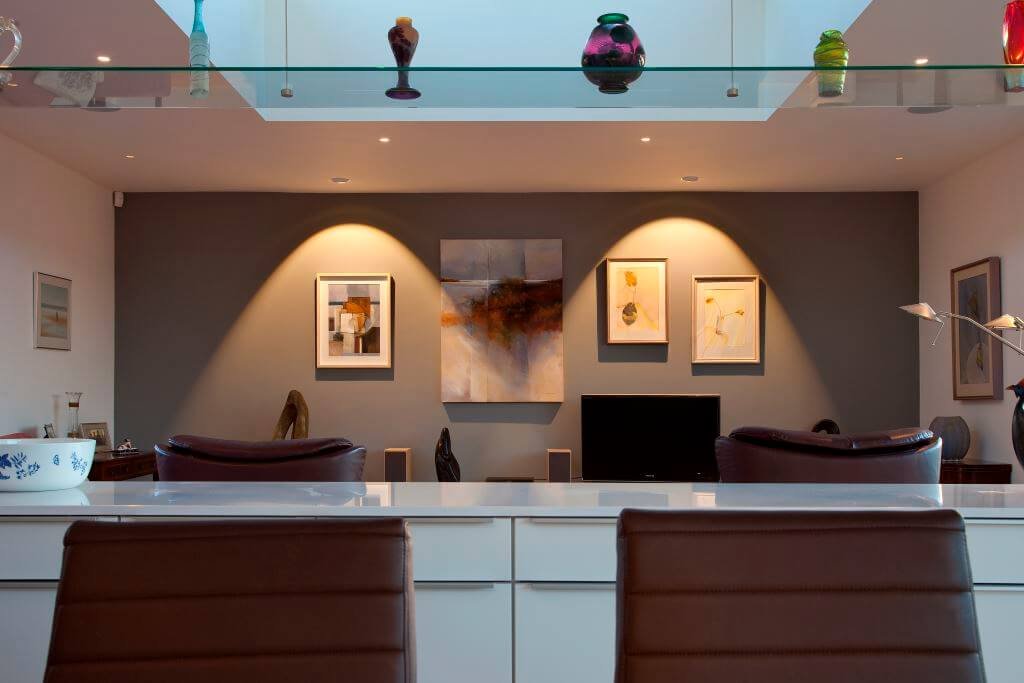
Accent lighting services are essential to a layered lighting approach, complementing ambient and task lighting to create a balanced atmosphere. In living rooms, accent lighting draws attention to artwork, fireplaces, or shelving, creating cozy and inviting areas. Bedrooms benefit from subtle accent lighting around headboards or vanity spaces, adding a relaxing ambiance. Kitchens use accent lighting under cabinets to illuminate countertops, adding style and practicality. In bathrooms, accent lighting is often placed around mirrors or inside shower niches for an upscale touch. Outdoor spaces like patios and gardens also benefit from accent lighting, creating dramatic effects and extending usability into the evening. Each area gains depth and character through carefully placed accent lighting.
Choosing the Right Accent Lighting Fixtures
Selecting the right accent lighting fixtures is essential to achieve the desired effect in any space. When choosing fixtures, consider the style, functionality, and the specific purpose of the lighting. Track lights are ideal for spaces that require adjustable lighting, such as art galleries or living rooms. Recessed lights offer a clean look, blending into ceilings or walls seamlessly. Wall-mounted sconces work well in hallways or next to fireplaces, adding a classic, decorative touch. For areas that require more focused lighting, spotlights are ideal as they can be aimed at specific items. LED strip lights offer a modern vibe, adding a continuous glow to shelves or under-cabinet spaces.
Benefits of Accent Lighting in Interior Design
Accent lighting has numerous benefits in interior design, elevating both function and aesthetics. First, it creates visual interest by drawing the eye to specific areas, adding layers and depth to rooms. Accent lighting can also enhance mood, providing a calming or energizing atmosphere depending on its placement and intensity. This type of lighting highlights textures and colors that may go unnoticed in ambient lighting, adding dimension to furniture, walls, and decor. Additionally, accent lighting improves spatial perception, making rooms feel larger or more intimate as desired. By carefully integrating accent lighting into your design, you not only improve functionality but also enrich the visual and emotional experience within your space.
Accent Lighting for Artwork and Décor
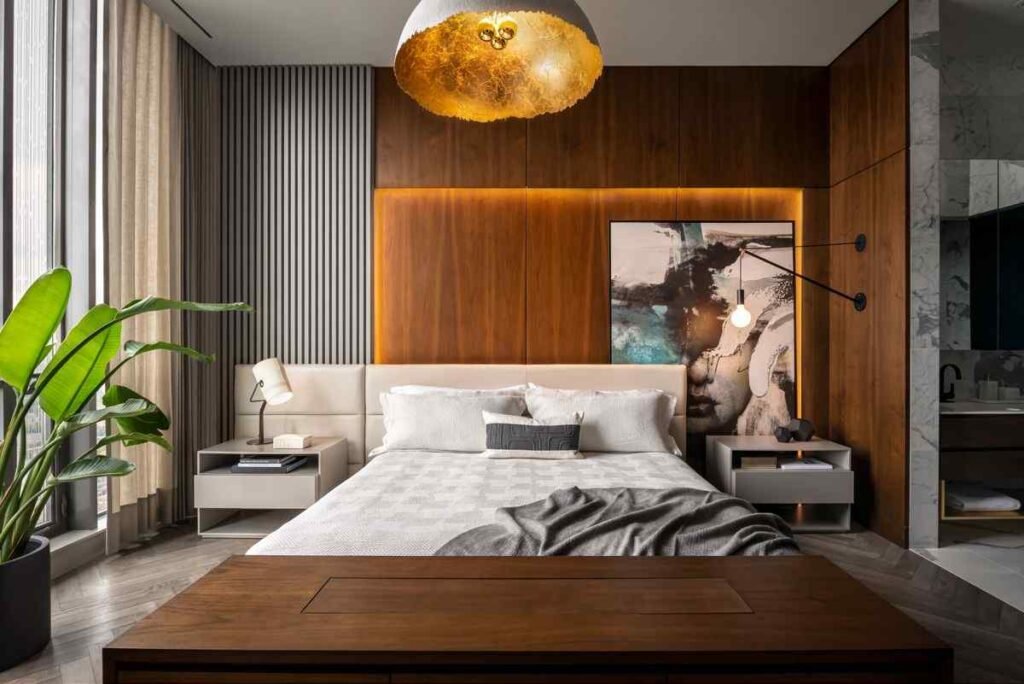
Accent lighting is a powerful tool for showcasing artwork and décor, turning them into focal points within a space. Artwork benefits from accent lighting, as it brings out colors, textures, and details, adding life and vibrancy to each piece. Sculptures and wall art are similarly enhanced, with directional lighting creating shadows that add a three-dimensional quality. Bookshelves, decorative displays, or statement furniture pieces become highlighted with the right lighting, making them pop. Positioning lights at the right angle and using fixtures that minimize glare are key to achieving an elegant look. Accent lighting allows homeowners to celebrate their collections and décor, giving them the attention they deserve.
Accent Lighting Outdoors: Gardens, Patios, and Pathways
Accent lighting isn’t limited to indoors; it also enhances outdoor spaces such as gardens, patios, and pathways. In gardens, accent lighting highlights trees, flower beds, and water features, creating a dramatic landscape at night. Pathway lighting guides guests safely while adding visual interest and defining outdoor walkways. Deck and patio lighting extends the usability of these spaces after dark, making them perfect for evening gatherings. Subtle uplighting around trees or low shrubbery adds dimension to outdoor areas, while water-resistant LED strips bring modernity to patios. By adding accent lighting outdoors, homeowners create a stunning, inviting ambiance that enhances curb appeal and makes outdoor areas enjoyable year-round.
Accent Lighting as a Security Feature
Beyond aesthetics, accent lighting serves a practical purpose by enhancing security around the home. Properly placed accent lights in outdoor areas, such as walkways, driveways, and entry points, deter potential intruders and improve visibility. Illuminating landscaping around fences and windows minimizes dark spots, increasing safety while adding elegance. Motion-sensor accent lights provide an extra layer of protection by turning on when someone approaches, creating a bright, unexpected response to movement. This type of lighting not only contributes to a secure environment but also complements the home’s aesthetic appeal. Accent lighting can, therefore, be both functional and beautiful, ensuring peace of mind without compromising on design.
Best Practices for Installing Accent Lighting
To get the most out of accent lighting, follow a few best practices during installation. Begin by identifying key features or areas you want to emphasize, such as artwork, architectural details, or outdoor pathways. Choose the right light fixtures based on each area’s needs—track lights for flexibility, wall sconces for a decorative touch, or spotlights for direct focus. Position the lights at strategic angles to reduce shadows and glare, enhancing the visual appeal. Use dimmers to adjust brightness levels, ensuring the accent lighting complements other lighting layers. For outdoor accent lighting, opt for weatherproof fixtures. Following these practices will help you create balanced, beautiful, and functional spaces using accent lighting.
Enhancing Mood with Accent Lighting
Accent lighting is a powerful tool for setting the mood in any space. By varying the intensity, color, and placement of accent lights, you can create environments that are warm, inviting, or energizing. For a relaxing atmosphere, use soft, warm lighting around seating areas, bookshelves, or fireplaces. For an energized ambiance, cool white lights on walls or countertops can bring freshness and vibrancy. Accent lighting also helps create romantic atmospheres, with dimmable options ideal for bedrooms or dining areas. By understanding how different tones and angles influence mood, you can use accent lighting to transform a room’s energy, making it a dynamic addition to any space’s design.
Conclusion
Accent lighting is an essential component of interior and exterior design, offering versatility, function, and aesthetic appeal. By highlighting specific areas and features, it enhances the visual impact and mood of any space. Whether used to showcase artwork, illuminate pathways, or add a layer of security, accent lighting transforms ordinary settings into extraordinary ones. Choosing the right type of accent lighting and installing it effectively allows homeowners and designers to create balanced, beautiful spaces with ease. From cozy living rooms to outdoor landscapes, accent lighting can truly bring out the best in any area, ensuring a harmonious blend of beauty, function, and style.
FAQs
1. What is accent lighting, and how does it differ from other types of lighting?
Accent lighting is a focused type of lighting used to highlight specific areas, objects, or design features within a space. Unlike ambient lighting, which provides general illumination, or task lighting, which lights up areas for specific tasks, accent lighting draws attention to focal points. It’s often used to enhance artwork, architectural details, and décor, adding depth and interest to the room.
2. What are common types of accent lighting fixtures?
Some popular accent lighting fixtures include track lights, recessed lights, wall sconces, spotlights, and LED strip lights. Each fixture serves different purposes—track lights are versatile for artwork, recessed lights are discreet for highlighting walls, and wall sconces add decorative touches. Choosing the right fixture depends on what you want to emphasize and the space’s design style.
3. Where should accent lighting be placed for the best effect?
Accent lighting works best when placed to highlight focal points. In a living room, accent lighting might emphasize artwork or a fireplace. In kitchens, under-cabinet lights illuminate countertops, adding functionality. Outdoor spaces can use accent lighting for trees, pathways, or patios. Placement should be strategic to create a balance between light and shadow, enhancing the room’s atmosphere.
4. How does accent lighting affect the mood of a room?
Accent lighting can significantly impact a room’s ambiance by adding depth and creating specific moods. Softer, warm accent lights create a relaxing, cozy feel, perfect for living rooms or bedrooms. Cooler accent lighting can add vibrancy and energy, suitable for kitchens or workspaces. By adjusting brightness and light color, accent lighting can transform the mood to fit different activities and times of day.

